



Mljet
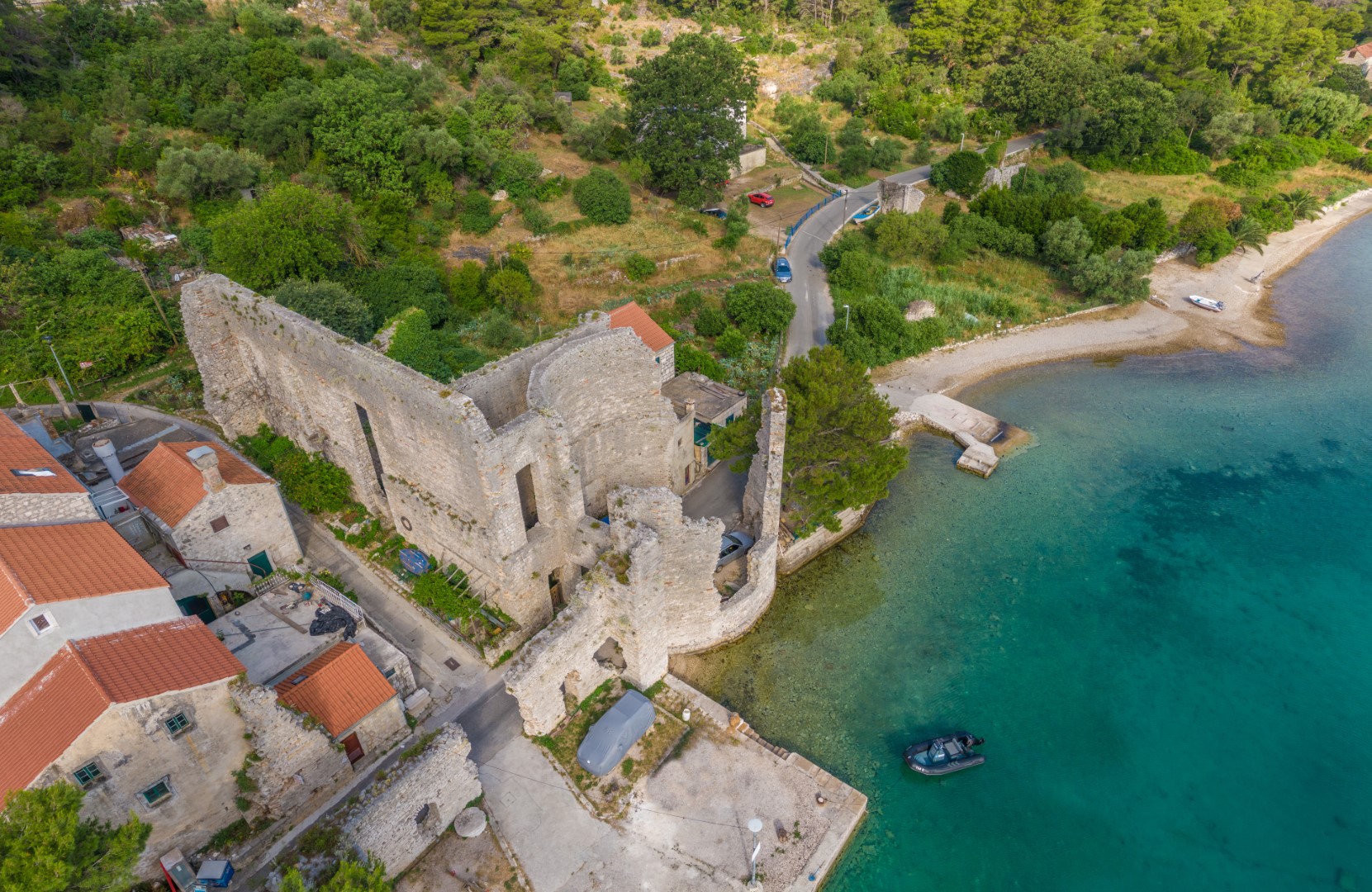
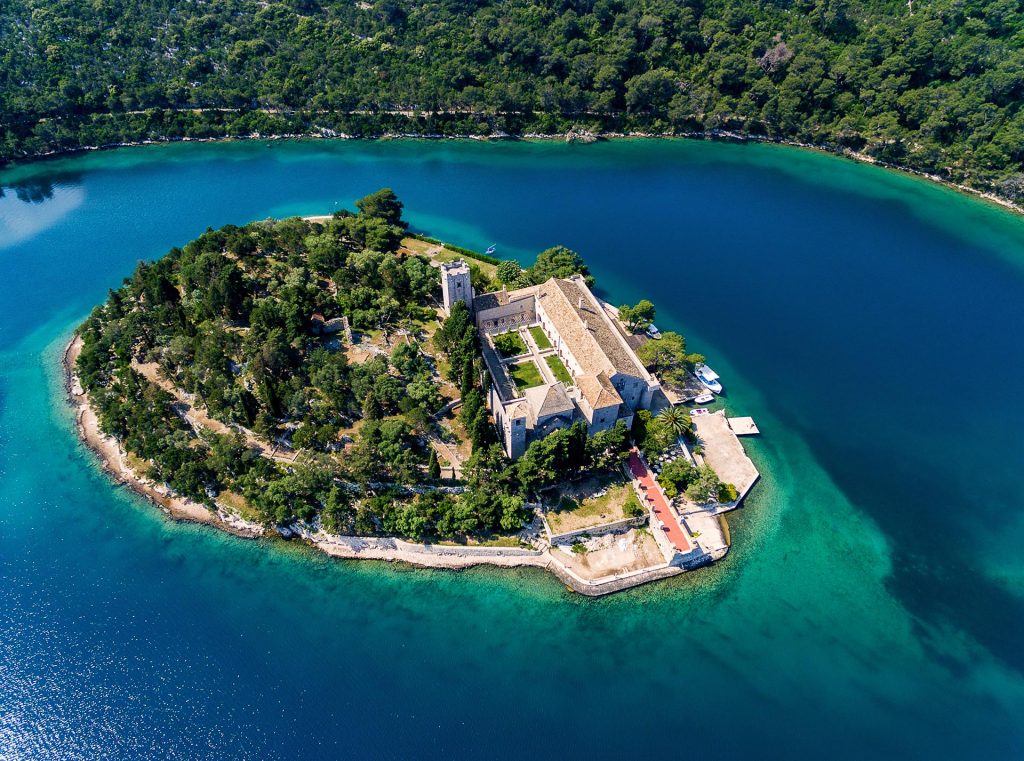 La première des îles croates que l’on croise en naviguant du sud-est vers le nord-ouest de la mer Adriatique. Dans le passé, l’île tout entière était peuplée par les Illyriens. Les Grecs allant vers Lumbarda (Korcula) et ses autres cités adriatiques, s’arrêteront sur l’île pour s’approvisionner en eau potable et pour chercher un abri devant les intempéries, de même que les Romains, dont nous avons hérité de nombreux édifices, tels le palais dans le port de Polace, ainsi que les noms de collines, de monts et d’écueils, preuves indéniables de la présence romaine sur l’île.
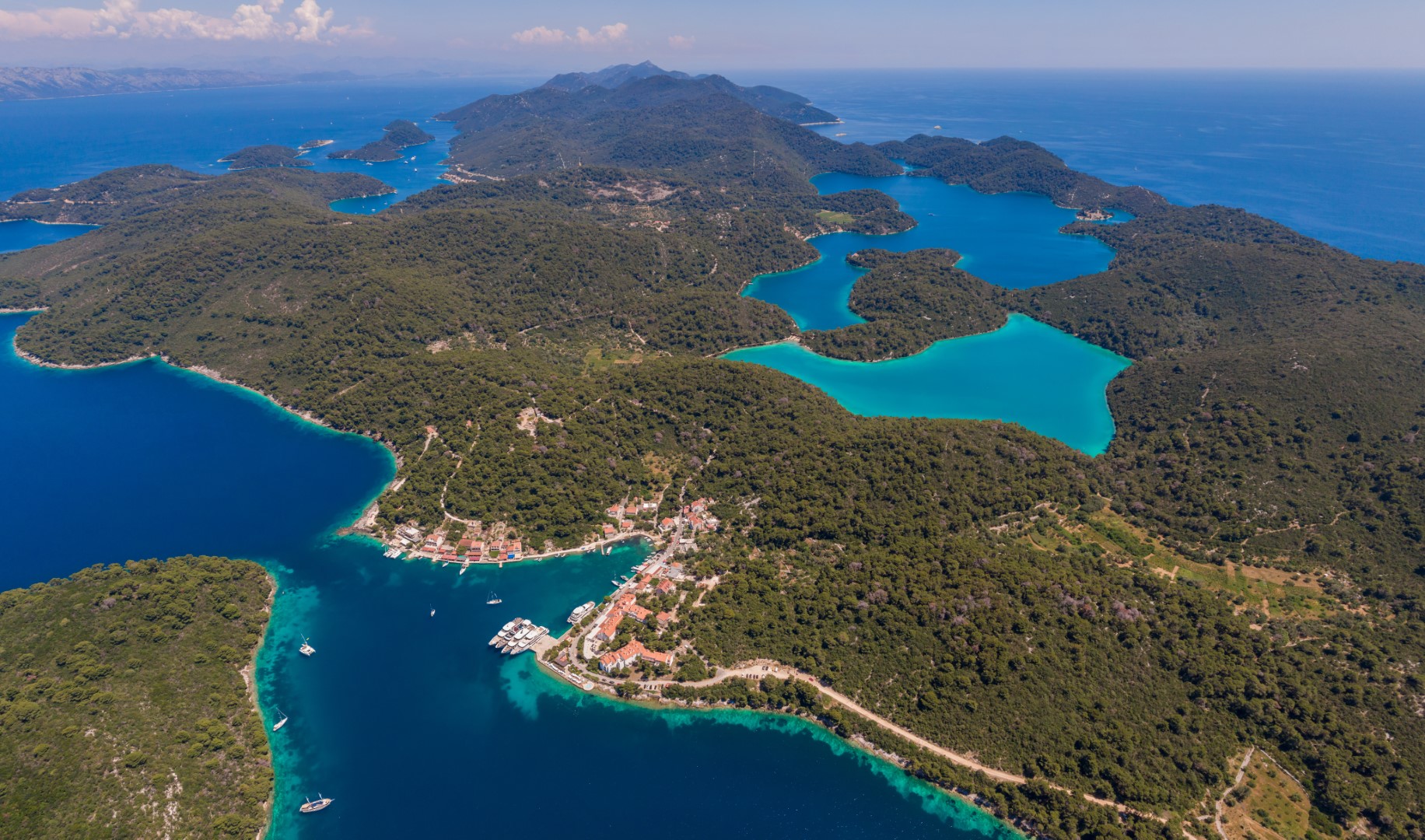
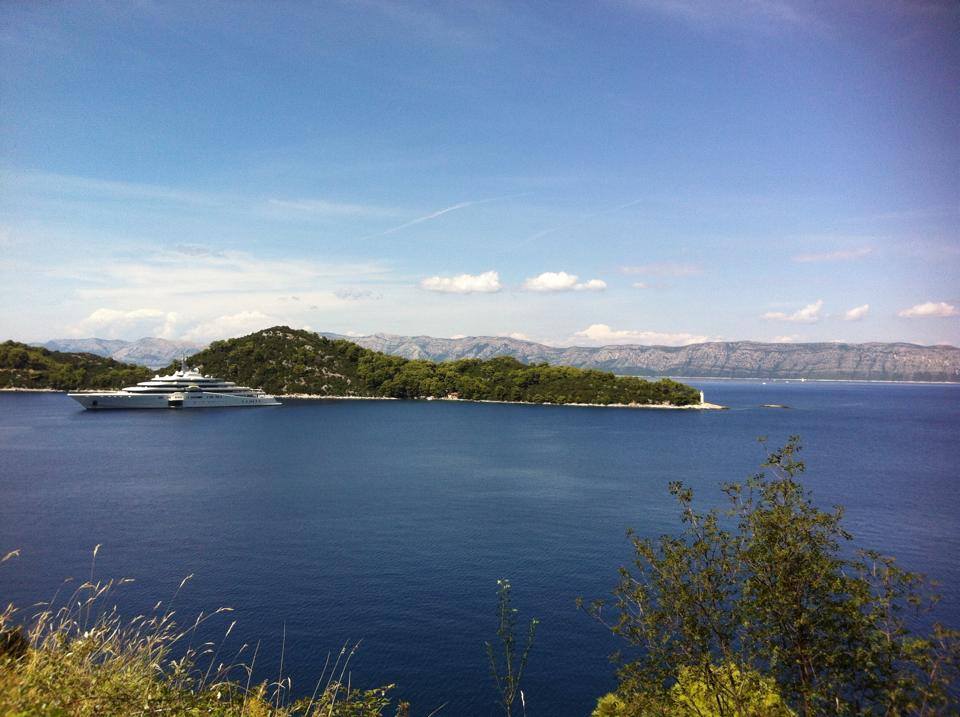
C’est l’île la plus verdoyante de notre côte, ayant une végétation méditerranéenne luxuriante, une mer pure et limpide, des plages de sable paisibles et des flore et faune sous-marines très riches. Elle est renommée pour la qualité de ses vins blanc et rouge, dont le corps et l’arome spécifiques sont dus aux nombres de jours de soleil et aux caractéristiques du sol. L’île de Mljet est connue par la qualité de son fromage de chèvre et de son miel, servi dans le passé dans des cours royales, et, surtout, par l’hospitalité et l’ouverture d’esprit avec lesquelles ses habitants accueillent les visiteurs de leur île.
L’île de Mljet est desservie par la ligne de catamaran au départ de Dubrovnik et en été au départ des îles de Korčula et Lastovo. Durant l’année la ligne de ferry relie Prapratno à Sobra. Pendant la saison touristique l’île est reliée par la ligne de ferry avec Dubrovnik, Korčula, Hvar, Split et Rijeka.
Durant les mois d’été, le secteur du Parc national (les ports de Place et de Pomen) est accosté par de nombreux bateaux touristiques en provenance des villes de Dubrovnik, de Korcula, de Makarska et de la presqu’île de Peljesac.






Babino Polje
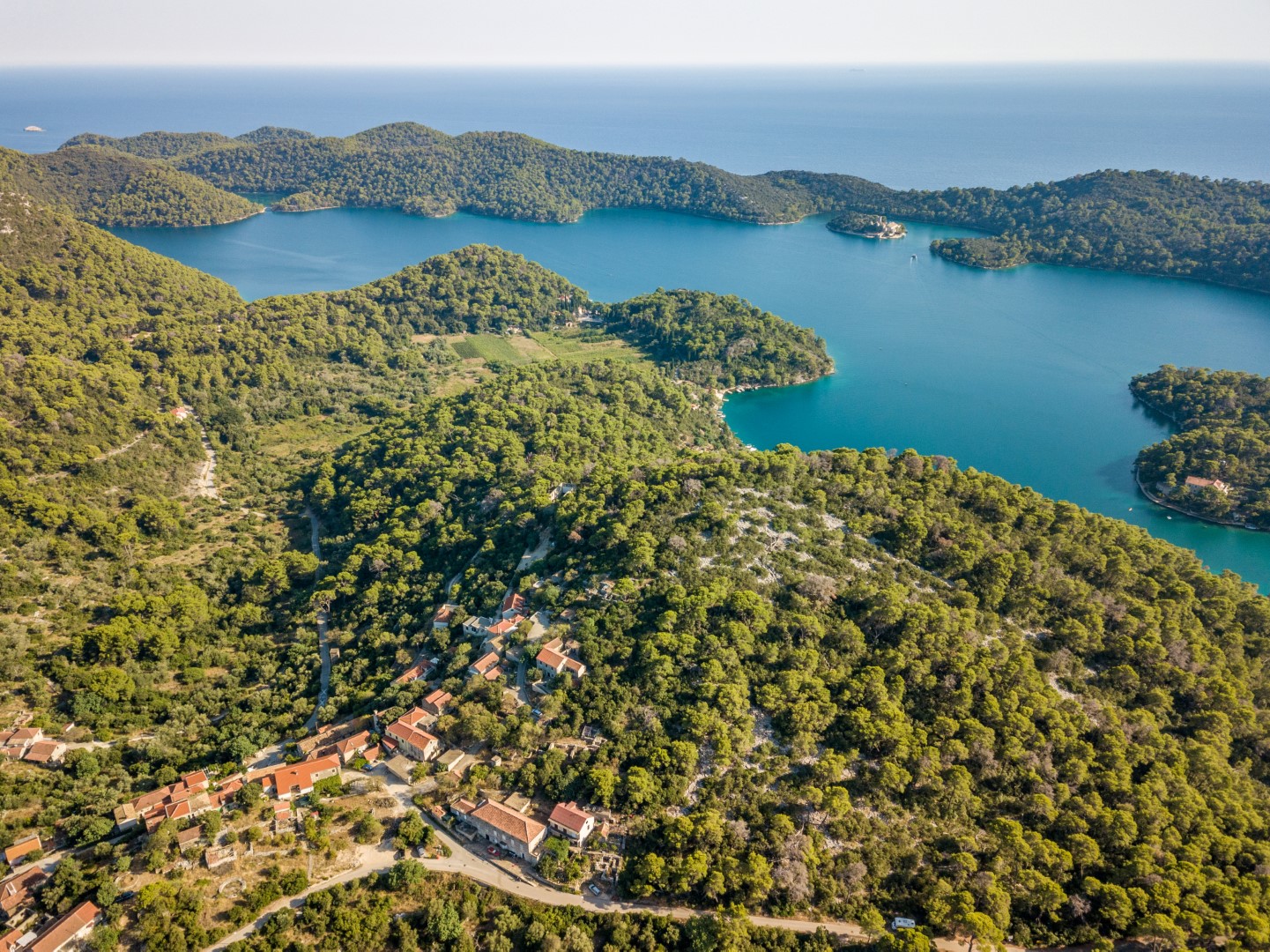
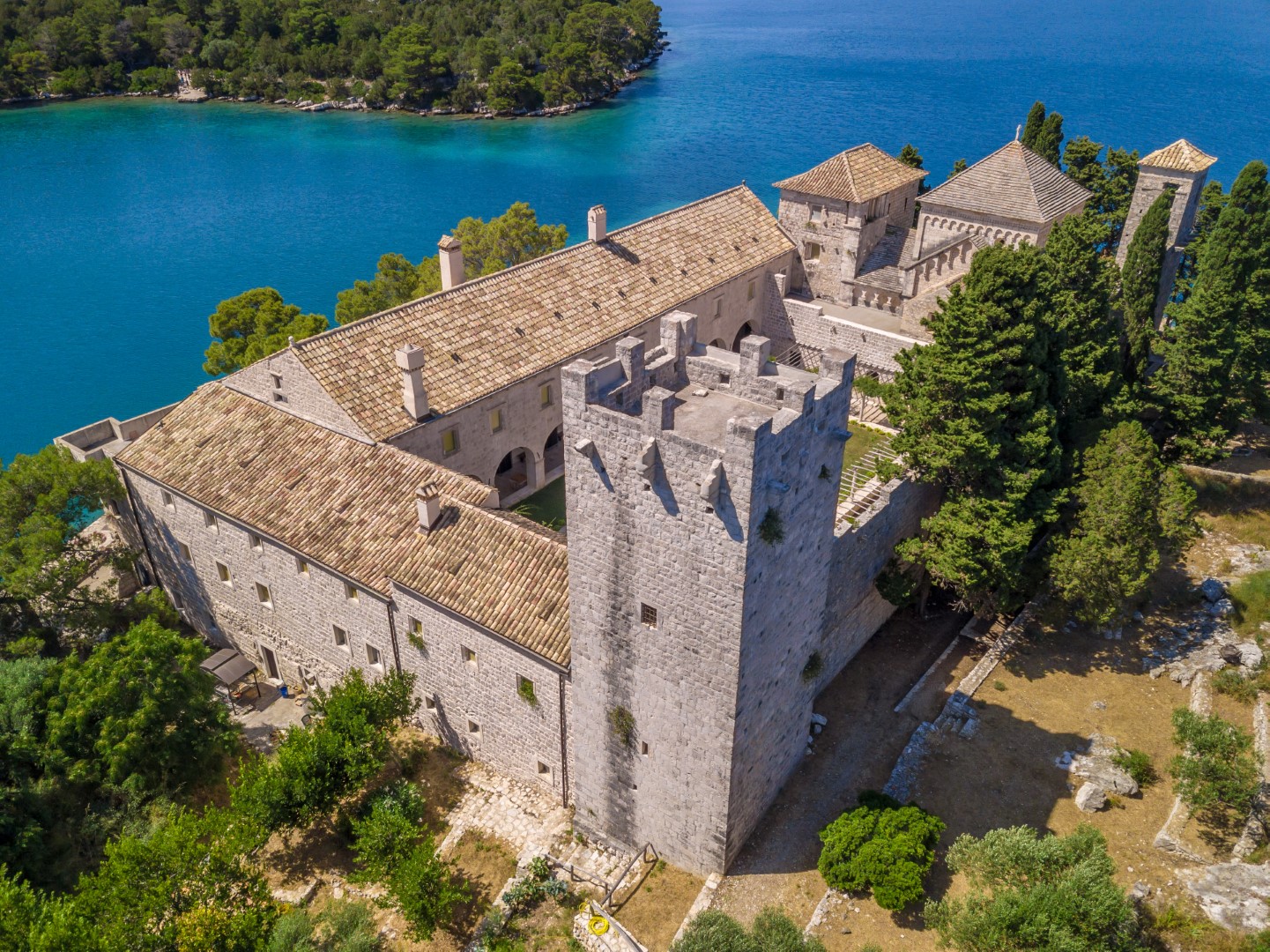
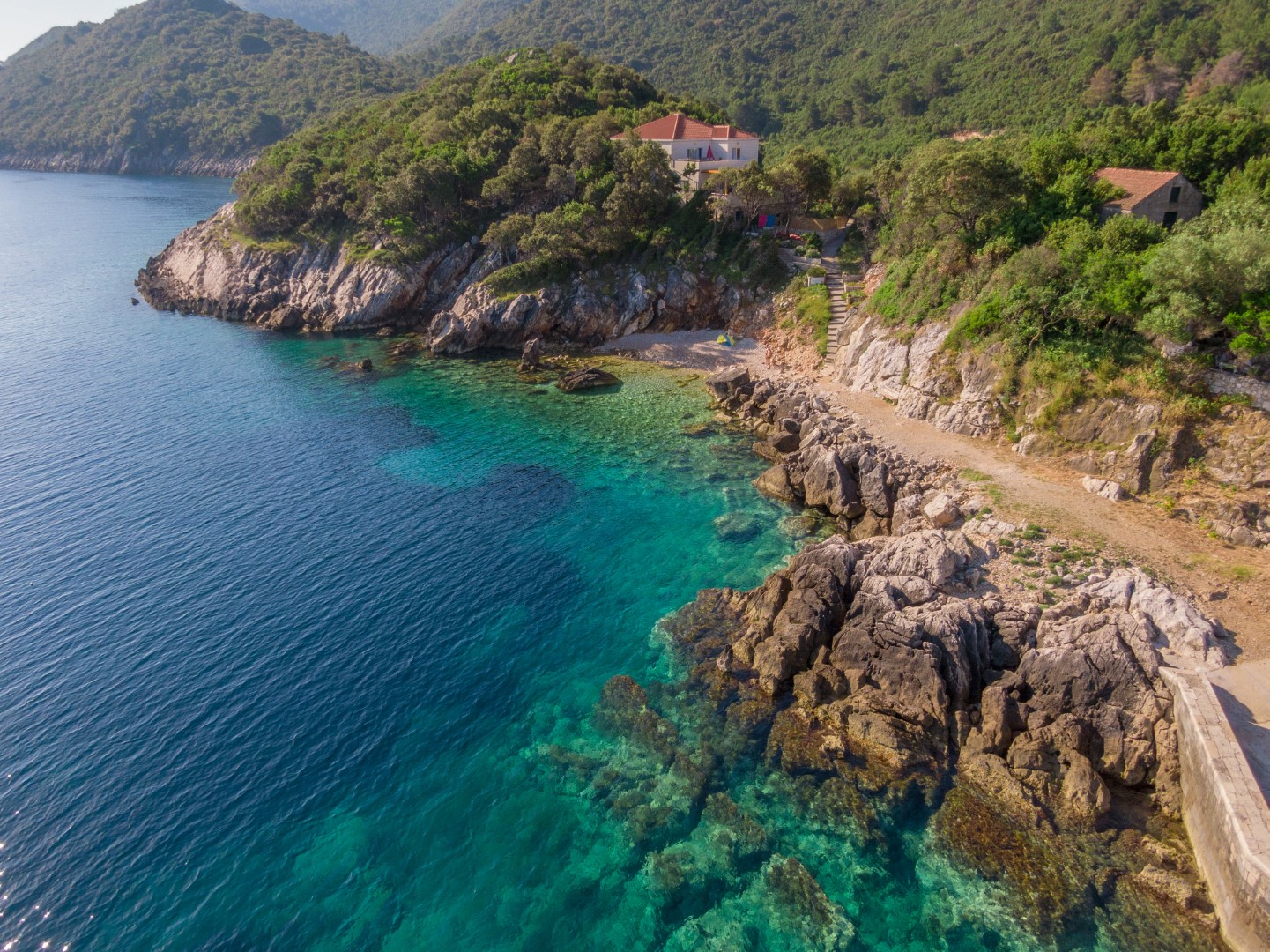
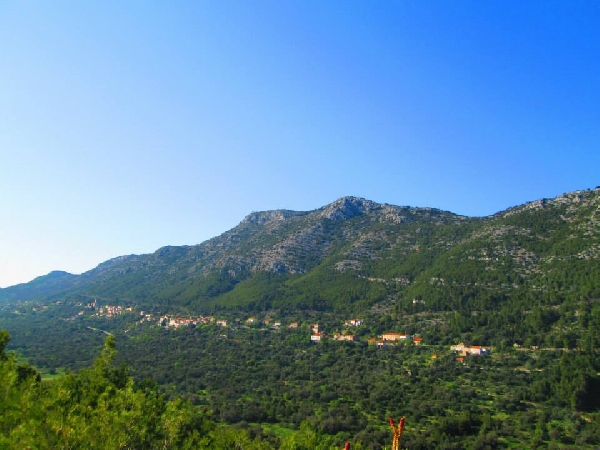
Le village de Babino polje (398 habitants) est l’un des villages les plus anciens de l’île de Mljet. Situé au pied des monts de Veliki grad et de Mali grad, il réunit trois petits villages: Zadublje, Srsenovici et Zabrijeze. Il s’étend sur 4 km de longueur. Le village donne sur la vaste plaine fertile de Babino polje, dont il porte le nom.
C’est le village le plus important de l’île de Mljet, dans lequel habitait son plus haut fonctionnaire, appelé « knez » par le peuple, et se réunissaient les autorités de l’île à l’époque de la République de Dubrovnik. La première église dédiée au Saint Pancracé, patron de l’île, est construite au XIe s. On y trouve également le siège de la commune de Mljet, l’école primaire fondée en 1867, la poste, la polyclinique avec infirmerie, le presbytère Saint-Blaise, l’Association culturelle et artistique « Natko Nodilo », la Maison de la culture « D’outre-monts » etc. Le village a plusieurs magasins et un café-bar.
Information
Mljet Tourist Board
Zabriježje 2,
20225 Babino Polje
info@mljet.hr
www.mljet.hr
Tel/Fax: +385 (0) 20 7807992

Goveđari
Le village de Govedjari (179 habitants) est fondé vers la fin du XVIIIe siècle. Un document écrit le confirme. Le 8 avril 1793, les frères du couvent Sainte-Marie, Benedikt Gledj, Bernard Sivric, Placid Guska et Luidji Garmoljez, avec l’accord des représentants du couvent, les procureurs Nikola Nikolov Pucic et Djon Antunov Restic, ont conclu le contrat avec Vicko Basta de Babino Polje et les frères Nikola et Petar Milic, autorisant ces derniers à s’établir au-dessus du champ Pomjente, acte par lequel ils sont devenu les premiers habitants du village de Govedjari. Le village est relié par la grande route de l’île de Mljet avec les villages de Pomen et de Polace, ainsi qu’avec le lac Veliko jezero. L’église Saint-Nicolas, avec le presbytère, qui se trouve à proximité du village, est construite au début du XXe siècle. La paroisse catholique romaine de Govedjari est créée en 1897, et comprend les villages de Govedjari, Polace, Babine Kuce, Njivice, Soline et Pomen.
Information
Mljet Tourist Board
Zabriježje 2,
20225 Babino Polje
info@mljet.hr
www.mljet.hr
Tel/Fax: +385 (0) 20 7807992

Maranovići
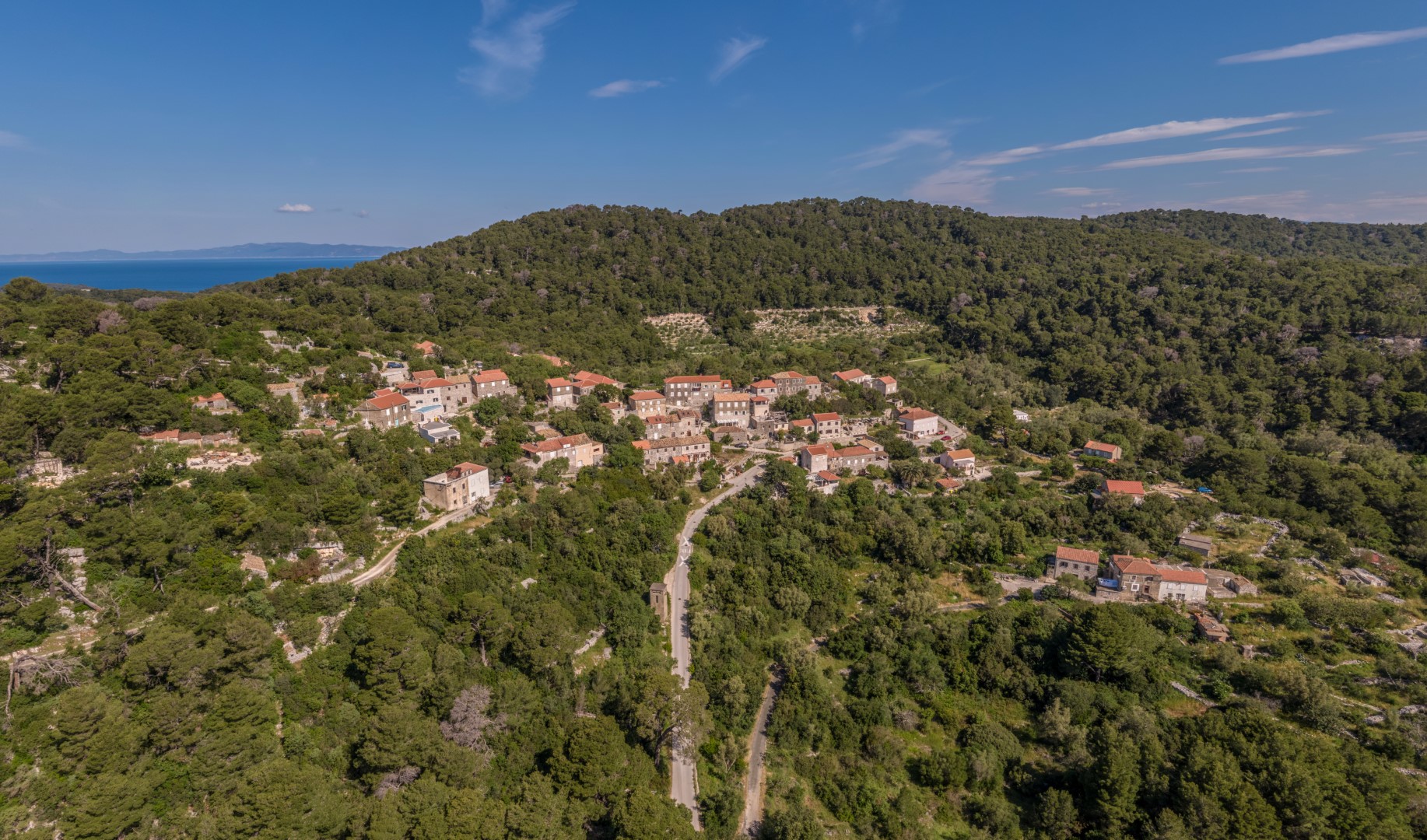
Maranovići (60 habitants) est un vieux village connu par ses champs d’oliviers. L’église paroissiale Saint-Antoine est construite à l’emplacement de la vieille église gothique Saint-Antoine, mentionnée, avec la confrérie à Marinovici, au début du XVIIe siècle. L’église nouvelle est construite au début du XIXe siècle. Elle possède un beau calice (117×115 mm) en argent doré. Le calice est caractérisé par sa forme gothique et date du XVe siècle. Il provient probablement de la vieille église Notre-Dame-du-Mont-Carmel, qui domine le village et est considéré comme un édifice des XIVe et XVe siècles, du fait du mélange des styles roman et gothique. Son autel a été béni en 1494. La paroisse catholique romaine de Maranovici est fondée en 1769.
Information
Mljet Tourist Board
Zabriježje 2,
20225 Babino Polje
info@mljet.hr
www.mljet.hr
Tel/Fax: +385 (0) 20 7807992

Okuklje
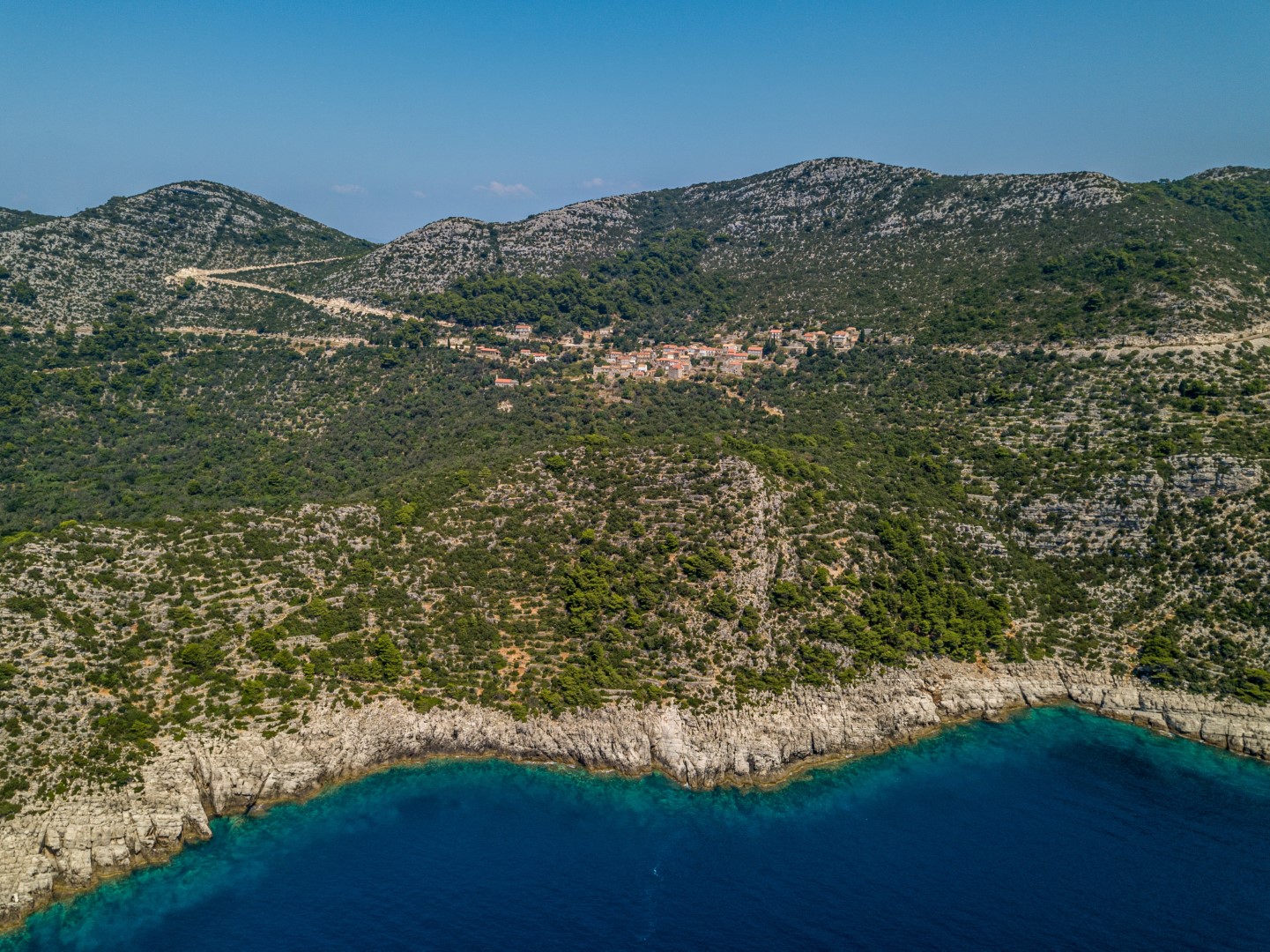
Okuklje (16 habitants) dispose d’un port bien abrité et représente un bon mouillage pour les amateurs du nautisme. L’église Saint-Nicolas, située sur la colline qui domine le port, est construite au début du XVIe siècle et reconstruite en 1990. Le couvent des Dominicains se trouvait à côté de l’église. Au cours du XVIIe siècle, les pirates et les haïdouques ont pillé et incendié le village à plusieurs reprises. Lors de l’attaque en 1693, ils pillent et détruisent le village tout entier. Ses habitants fuient vers les villages de Korita et de Maranovici. Okuklje est le village îlien le plus ancien de la côte dalmate.
Il est fondé au XVe siècle par les habitants de Vrhmljece. C’était le village des pêcheurs et des navigateurs. Aujourd’hui, le village revit et devient le symbole éternel de l’indestructibilité de l’homme. Le port d’Okuklje est l’un des ports les mieux abrités de l’île de Mljet. Les Italiens l’appellent « Porto Cammera ». Il possède plusieurs restaurants et résidences de tourisme.
Information
Mljet Tourist Board
Zabriježje 2,
20225 Babino Polje
info@mljet.hr
www.mljet.hr
Tel/Fax: +385 (0) 20 7807992
Polače
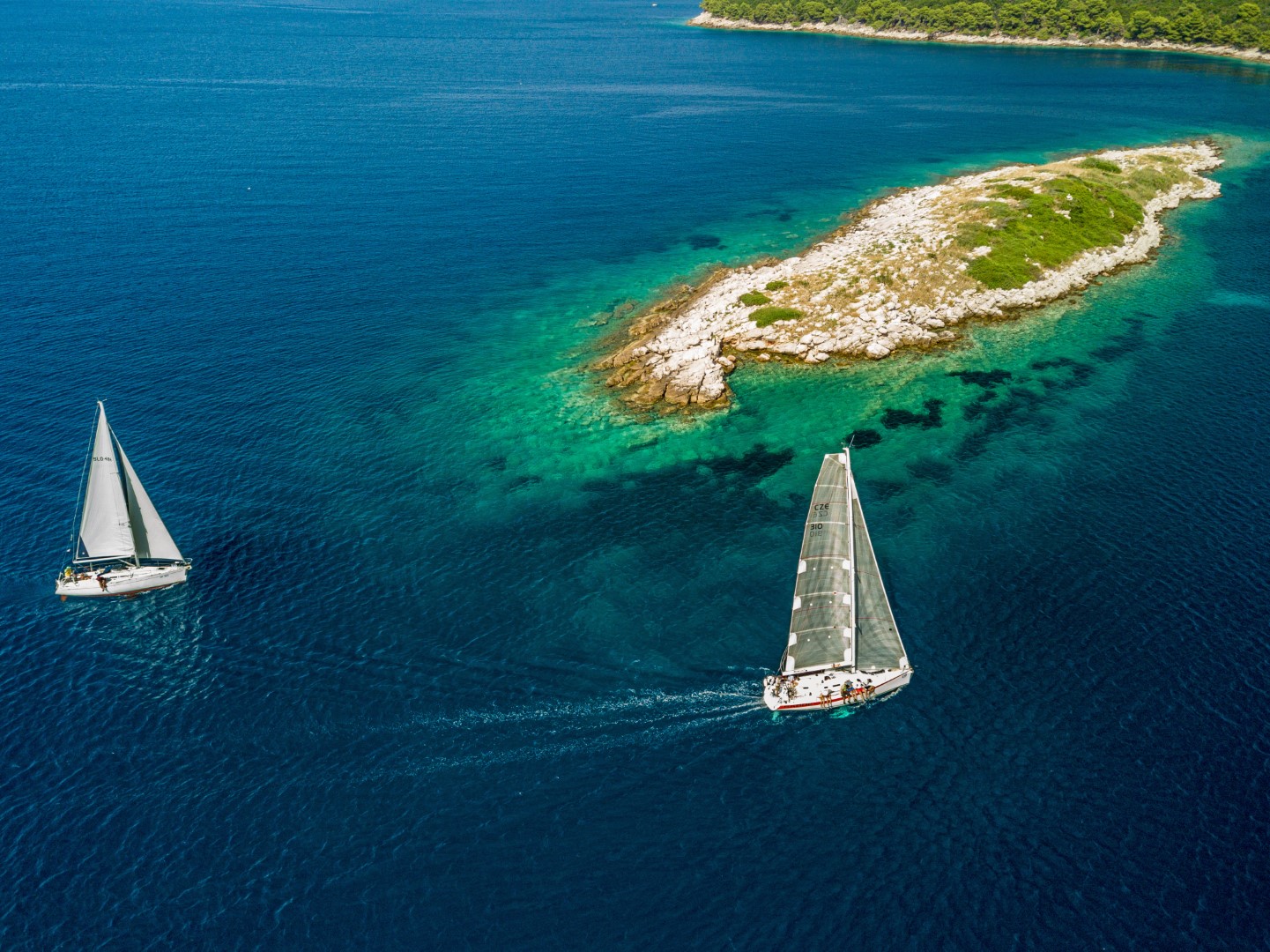
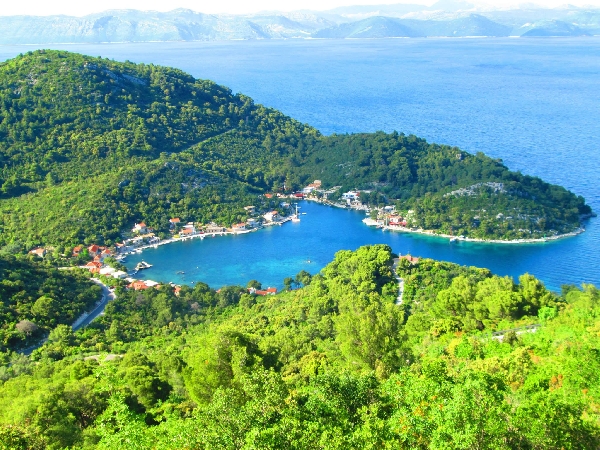
Le village de Polace (123 habitants) se trouve près du palais (« polaca ») antique, auquel il doit son nom. C’est le port le plus spacieux et le mieux abrité de l’île de Mljet, entouré de petites îles de Tajnik, Moracnik, Ovrat et Kobrava. Le village a hérité d’un riche patrimoine historique. Son infrastructure portuaire et les vestiges d’édifices antiques attirent de nombreux plaisanciers, qui s’y rendent en yachts, voiliers et autres bateaux de plaisance.
Le village dispose de plusieurs villas et résidences de tourisme, cafés et restaurants, comme « Stella maris », « Ogigija » et autres. Il possède également une boulangerie et une épicerie. Les familles de Djuro Dabelic et de Stjepan Nodilo s’installent sur l’île vers 1830.
Information
Mljet Tourist Board
Zabriježje 2,
20225 Babino Polje
info@mljet.hr
www.mljet.hr
Tel/Fax: +385 (0) 20 7807992

Pomena
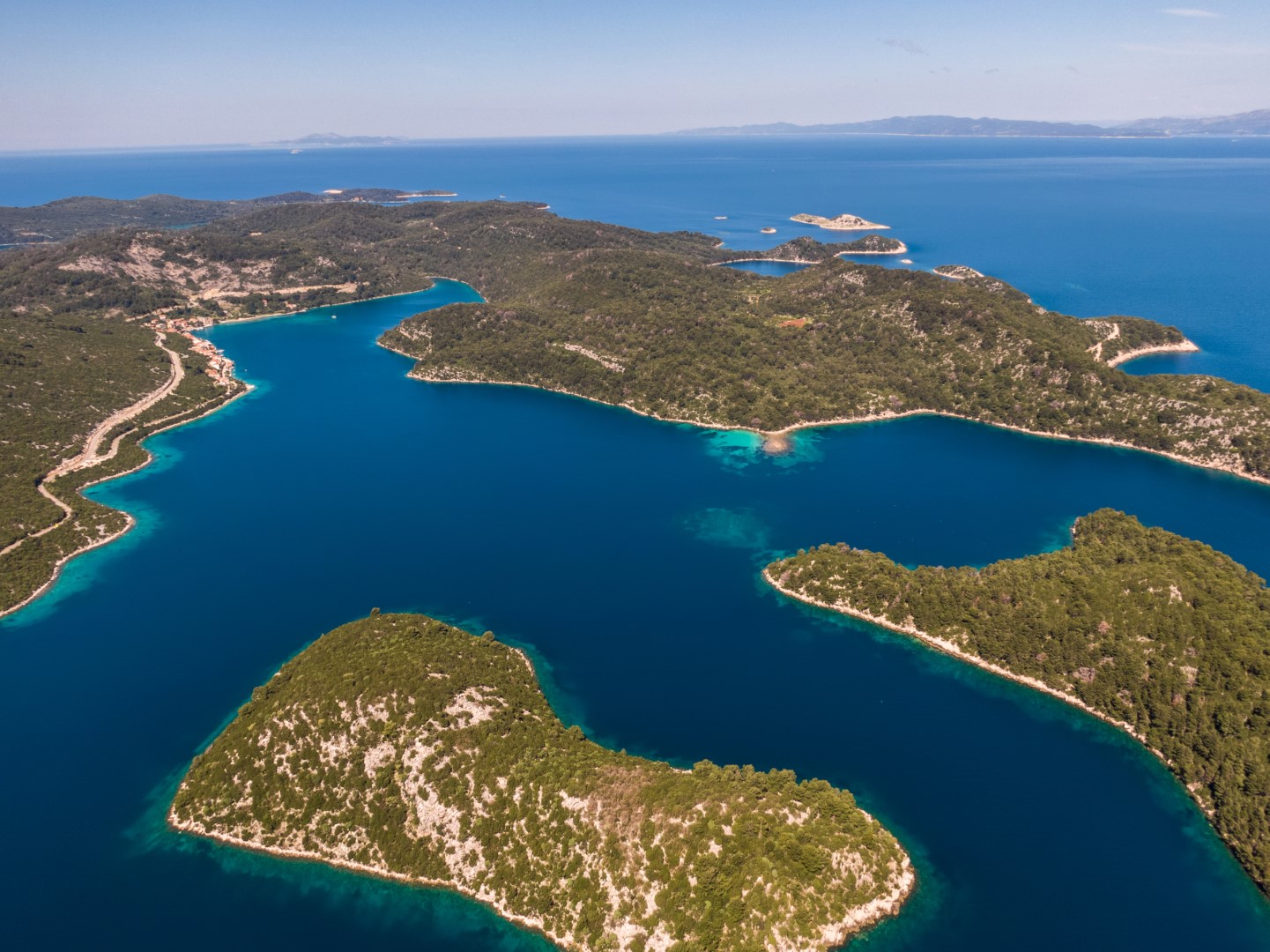
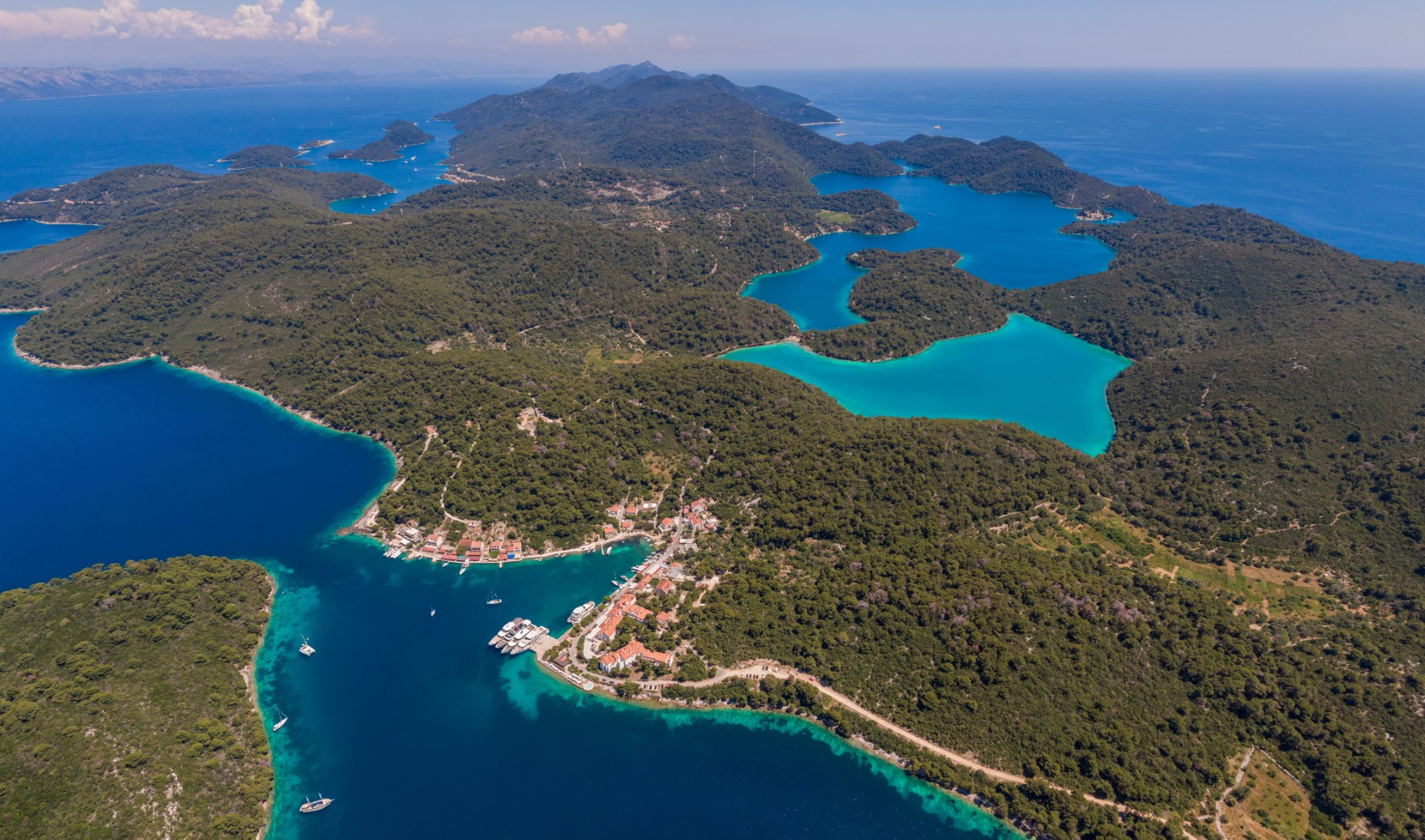
Pomen (50 habitants) était autrefois le lieu de pêche du village de Govedjari. Aujourd’hui, c’est le site touristique et hôtelier le plus important de l’île de Mljet. Avec son programme des activités sportives, l’hôtel « Odisej » (Ulysse) donne une nouvelle impulsion au développement du tourisme sur l’île. Des forêts de pins denses, la proximité des lacs Malo i Veliko jezero, et les îlots voisins de Crna Seka, Galicija et Pomestak, emplissent ce village d’une sérénité typiquement méditerranéenne. Hébergement et nourriture dans les pensions de famille.
Information
Mljet Tourist Board
Zabriježje 2,
20225 Babino Polje
info@mljet.hr
www.mljet.hr
Tel/Fax: +385 (0) 20 7807992

Prožura
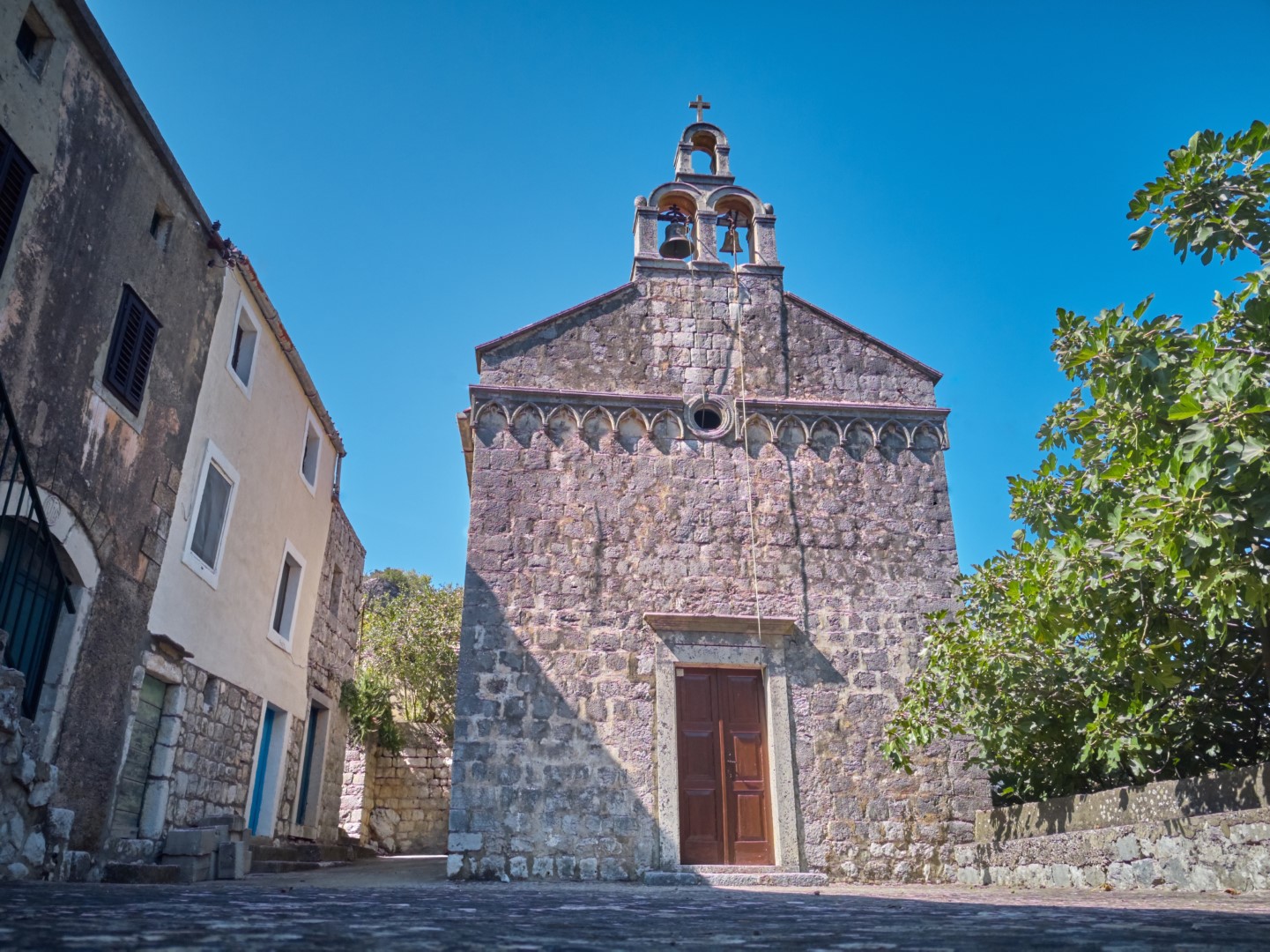
Le village de Prozura (78 habitants) est une cité médiévale avec, dans la partie centrale, l’église de la Sainte-Trinité et le couvent. L’église ressemble aux chapelles gothiques de la ville de Dubrovnik du XVe siècle. Elle est construite probablement par les bénédictins de l’île de Lokrum, qui ont acquis en 1477 un terrain dans le village de Prozura. L’église de la Sainte-Trinité possède l’objet d’art le plus précieux de l’île de Mljet: un crucifix roman en bronze. Au-dessus du village de Prozura, on voit la petite église Saint-Martin avec le portique du XIVe siècle. L’église Saint-Roch, à l’abside demi-circulaire, est plus récente.
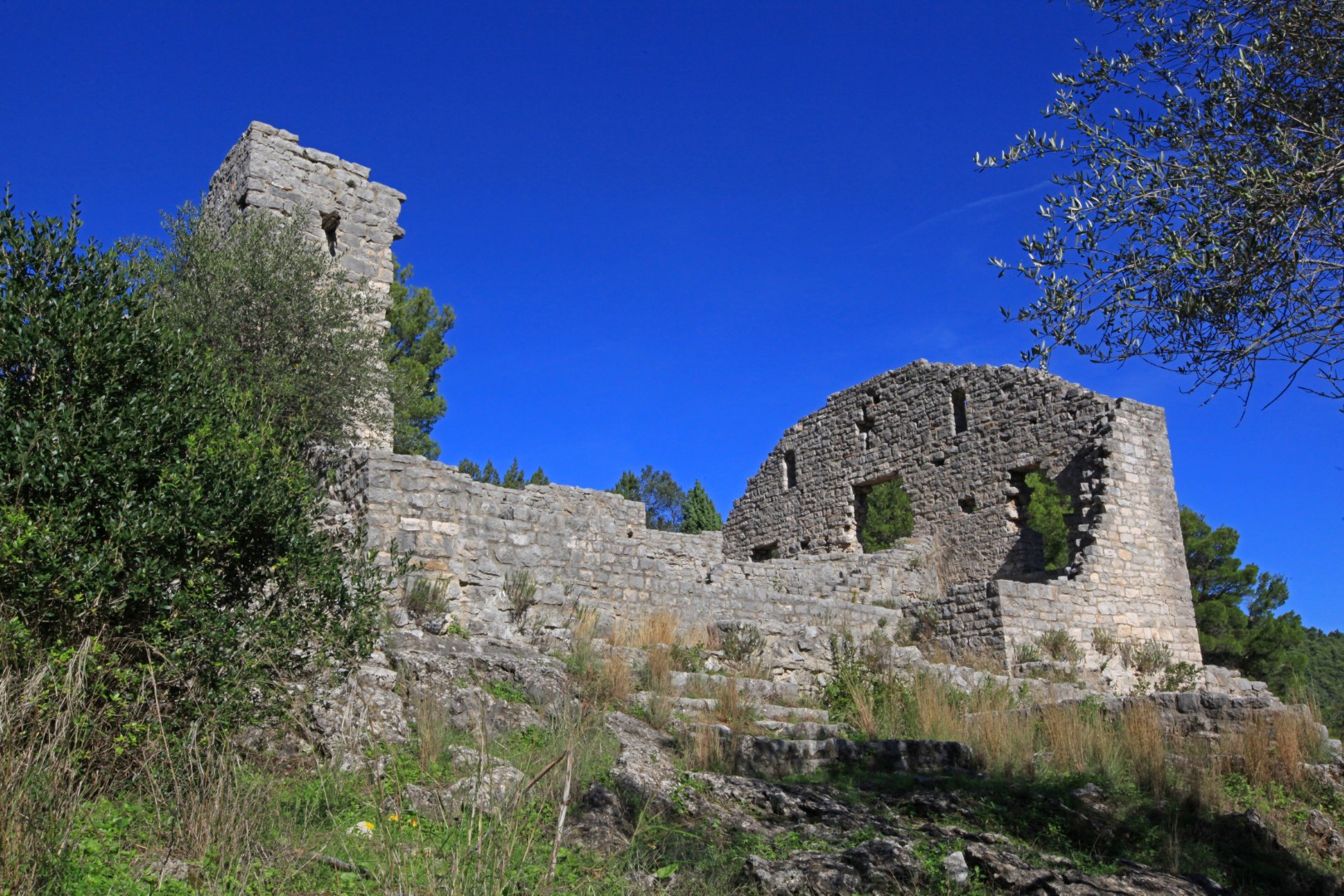
Le village est dominé par une forteresse carrée, qui témoigne des attaques pirates que subissaient au XVIIe siècle les villages retirés et isolés de l’île de Mljet. Mgr. Pavao Gracic, l’évêque de Ston de 1635 à 1652, était îlien, natif du village de Pozura.
Information
Mljet Tourist Board
Zabriježje 2,
20225 Babino Polje
info@mljet.hr
www.mljet.hr
Tel/Fax: +385 (0) 20 7807992

Saplunara
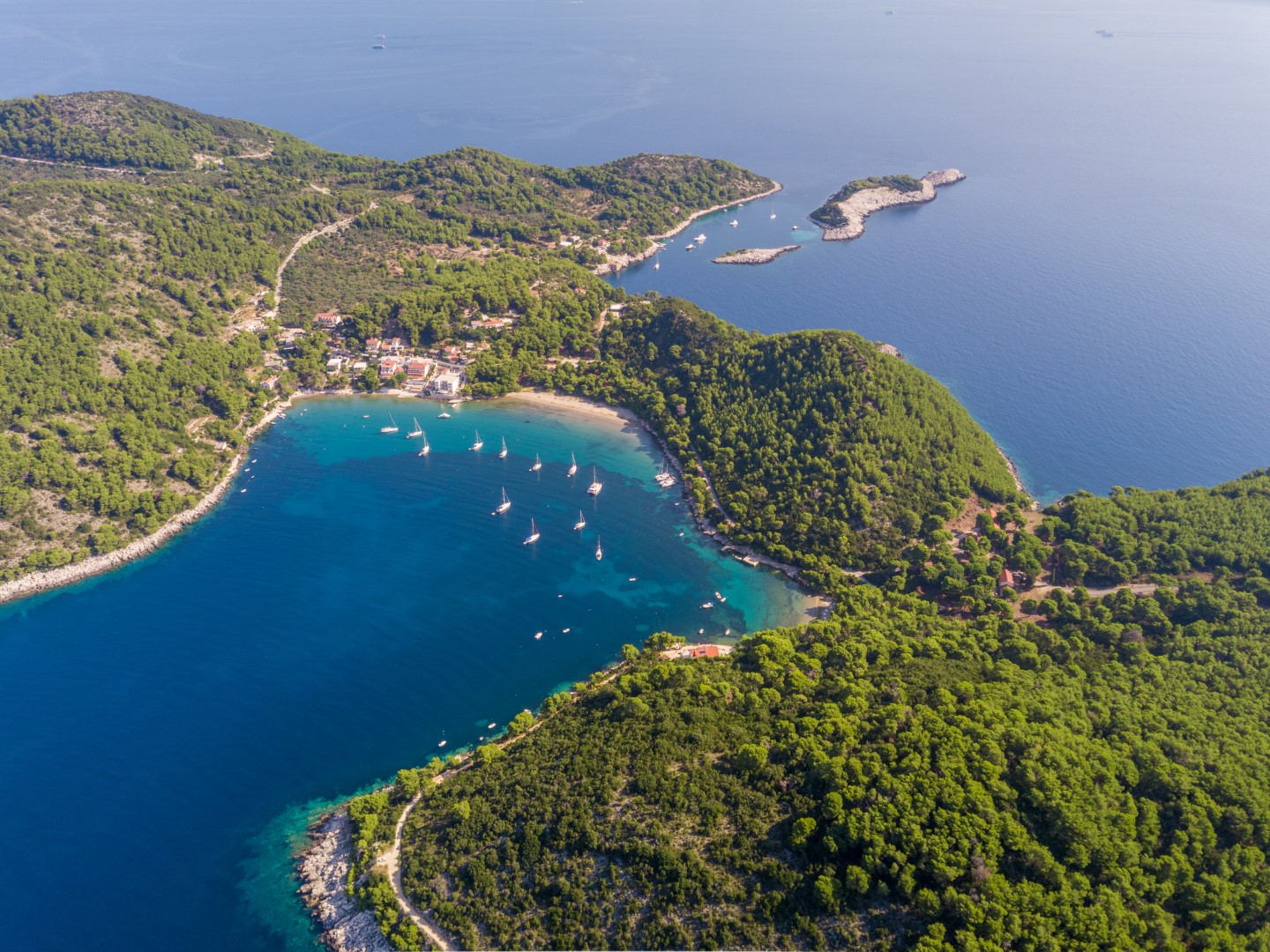
Le petit village de Saplunara compte 32 habitants. La beauté des paysages de Saplunara, Blace et Pinjevac ont fait de cette zone la Réserve naturelle d’espèces rares. Les pins pignons qui y poussent naturellement sont parmi les plus beaux de leur espèce, tandis que les plages de sable entourées d’écueils font penser à certains de ces endroits sur notre planète considérés à juste titre comme perles et pierres précieuses du patrimoine naturel mondial. Ce petit village est idéal pour ceux qui veulent se reposer du bruit et des polluants nocifs des grandes villes européennes.
Le nom du village tire son étymologie du mot latin « sabulum », qui signifie « sable ». Le golfe de Saplunara, tourné vers le large sud-ouest, est long d’environ 1 km, et sa largeur minimale, dans la partie centrale de l’île, est de 350 m.
Les plages de sable sont partagées entre les petits villages de Velika Saplunara et Mala Sapunara. Le village est fondé par les habitants du village de Korita après la Seconde guerre mondiale. Il compte aujourd’hui une vingtaine de belles maisons d’hôtes, qui accueillent de nombreux touristes. La villa Basica, qui dispose de 20 chambres d’hôtes, d’un restaurant et de terrains de sport, est l’une des plus jolies. La grande route relie le village de Saplunara avec les villages voisins de Korito, Maranovici, Babino Polje et Pomen.
Information
Mljet Tourist Board
Zabriježje 2,
20225 Babino Polje
info@mljet.hr
www.mljet.hr
Tel/Fax: +385 (0) 20 7807992

Sobra
Le petit village de Sobra (68 habitants) est le vieux port des pêcheurs de Babino polje. Ils commencent à s’y installer dans la période entre deux guerres. C’est le centre du transport maritime de l’île de Mljet. Chaque jour, le paquebot de Dubrovnik accoste le quai du port de Sobra, tandis que les lignes de bateau directes reliant Rijeka et Split avec Dubrovnik, y font escale deux ou trois fois par semaine. Les passagers et les touristes peuvent prendre ici l’autobus qui les amènera à l’un des sites touristiques de l’île de Mljet ou à l’hôtel « Odisej » (Ulysse) à Pomen. Le port de Sobra a une capitainerie, un magasin, plusieurs restaurants et pizzerias, et des chambres d’hôtes dans des villas récemment construites. Le réseau d’eau alimente le village en eau des sources de Blatina.
Information
Mljet Tourist Board
Zabriježje 2,
20225 Babino Polje
info@mljet.hr
www.mljet.hr
Tel/Fax: +385 (0) 20 7807992
- Babino Polje
-
Babino Polje
Le village de Babino polje (398 habitants) est l’un des villages les plus anciens de l’île de Mljet. Situé au pied des monts de Veliki grad et de Mali grad, il réunit trois petits villages: Zadublje, Srsenovici et Zabrijeze. Il s’étend sur 4 km de longueur. Le village donne sur la vaste plaine fertile de Babino polje, dont il porte le nom.
C’est le village le plus important de l’île de Mljet, dans lequel habitait son plus haut fonctionnaire, appelé « knez » par le peuple, et se réunissaient les autorités de l’île à l’époque de la République de Dubrovnik. La première église dédiée au Saint Pancracé, patron de l’île, est construite au XIe s. On y trouve également le siège de la commune de Mljet, l’école primaire fondée en 1867, la poste, la polyclinique avec infirmerie, le presbytère Saint-Blaise, l’Association culturelle et artistique « Natko Nodilo », la Maison de la culture « D’outre-monts » etc. Le village a plusieurs magasins et un café-bar.
Information
Mljet Tourist Board
Zabriježje 2,
20225 Babino Polje
info@mljet.hr
www.mljet.hr
Tel/Fax: +385 (0) 20 7807992 -
- Goveđari
-
Goveđari
Le village de Govedjari (179 habitants) est fondé vers la fin du XVIIIe siècle. Un document écrit le confirme. Le 8 avril 1793, les frères du couvent Sainte-Marie, Benedikt Gledj, Bernard Sivric, Placid Guska et Luidji Garmoljez, avec l’accord des représentants du couvent, les procureurs Nikola Nikolov Pucic et Djon Antunov Restic, ont conclu le contrat avec Vicko Basta de Babino Polje et les frères Nikola et Petar Milic, autorisant ces derniers à s’établir au-dessus du champ Pomjente, acte par lequel ils sont devenu les premiers habitants du village de Govedjari. Le village est relié par la grande route de l’île de Mljet avec les villages de Pomen et de Polace, ainsi qu’avec le lac Veliko jezero. L’église Saint-Nicolas, avec le presbytère, qui se trouve à proximité du village, est construite au début du XXe siècle. La paroisse catholique romaine de Govedjari est créée en 1897, et comprend les villages de Govedjari, Polace, Babine Kuce, Njivice, Soline et Pomen.
Information
Mljet Tourist Board
Zabriježje 2,
20225 Babino Polje
info@mljet.hr
www.mljet.hr
Tel/Fax: +385 (0) 20 7807992 -
- Maranovići
-
Maranovići
Maranovići (60 habitants) est un vieux village connu par ses champs d’oliviers. L’église paroissiale Saint-Antoine est construite à l’emplacement de la vieille église gothique Saint-Antoine, mentionnée, avec la confrérie à Marinovici, au début du XVIIe siècle. L’église nouvelle est construite au début du XIXe siècle. Elle possède un beau calice (117×115 mm) en argent doré. Le calice est caractérisé par sa forme gothique et date du XVe siècle. Il provient probablement de la vieille église Notre-Dame-du-Mont-Carmel, qui domine le village et est considéré comme un édifice des XIVe et XVe siècles, du fait du mélange des styles roman et gothique. Son autel a été béni en 1494. La paroisse catholique romaine de Maranovici est fondée en 1769.
Information
Mljet Tourist Board
Zabriježje 2,
20225 Babino Polje
info@mljet.hr
www.mljet.hr
Tel/Fax: +385 (0) 20 7807992 -
- Okuklje
-
Okuklje
Okuklje (16 habitants) dispose d’un port bien abrité et représente un bon mouillage pour les amateurs du nautisme. L’église Saint-Nicolas, située sur la colline qui domine le port, est construite au début du XVIe siècle et reconstruite en 1990. Le couvent des Dominicains se trouvait à côté de l’église. Au cours du XVIIe siècle, les pirates et les haïdouques ont pillé et incendié le village à plusieurs reprises. Lors de l’attaque en 1693, ils pillent et détruisent le village tout entier. Ses habitants fuient vers les villages de Korita et de Maranovici. Okuklje est le village îlien le plus ancien de la côte dalmate.
Il est fondé au XVe siècle par les habitants de Vrhmljece. C’était le village des pêcheurs et des navigateurs. Aujourd’hui, le village revit et devient le symbole éternel de l’indestructibilité de l’homme. Le port d’Okuklje est l’un des ports les mieux abrités de l’île de Mljet. Les Italiens l’appellent « Porto Cammera ». Il possède plusieurs restaurants et résidences de tourisme.
Information
Mljet Tourist Board
Zabriježje 2,
20225 Babino Polje
info@mljet.hr
www.mljet.hr
Tel/Fax: +385 (0) 20 7807992 -
- Polače
-
Polače
Le village de Polace (123 habitants) se trouve près du palais (« polaca ») antique, auquel il doit son nom. C’est le port le plus spacieux et le mieux abrité de l’île de Mljet, entouré de petites îles de Tajnik, Moracnik, Ovrat et Kobrava. Le village a hérité d’un riche patrimoine historique. Son infrastructure portuaire et les vestiges d’édifices antiques attirent de nombreux plaisanciers, qui s’y rendent en yachts, voiliers et autres bateaux de plaisance.
Le village dispose de plusieurs villas et résidences de tourisme, cafés et restaurants, comme « Stella maris », « Ogigija » et autres. Il possède également une boulangerie et une épicerie. Les familles de Djuro Dabelic et de Stjepan Nodilo s’installent sur l’île vers 1830.
Information
Mljet Tourist Board
Zabriježje 2,
20225 Babino Polje
info@mljet.hr
www.mljet.hr
Tel/Fax: +385 (0) 20 7807992 -
- Pomena
-
Pomena
Pomen (50 habitants) était autrefois le lieu de pêche du village de Govedjari. Aujourd’hui, c’est le site touristique et hôtelier le plus important de l’île de Mljet. Avec son programme des activités sportives, l’hôtel « Odisej » (Ulysse) donne une nouvelle impulsion au développement du tourisme sur l’île. Des forêts de pins denses, la proximité des lacs Malo i Veliko jezero, et les îlots voisins de Crna Seka, Galicija et Pomestak, emplissent ce village d’une sérénité typiquement méditerranéenne. Hébergement et nourriture dans les pensions de famille.
Information
Mljet Tourist Board
Zabriježje 2,
20225 Babino Polje
info@mljet.hr
www.mljet.hr
Tel/Fax: +385 (0) 20 7807992 -
- Prožura
-
Prožura
Le village de Prozura (78 habitants) est une cité médiévale avec, dans la partie centrale, l’église de la Sainte-Trinité et le couvent. L’église ressemble aux chapelles gothiques de la ville de Dubrovnik du XVe siècle. Elle est construite probablement par les bénédictins de l’île de Lokrum, qui ont acquis en 1477 un terrain dans le village de Prozura. L’église de la Sainte-Trinité possède l’objet d’art le plus précieux de l’île de Mljet: un crucifix roman en bronze. Au-dessus du village de Prozura, on voit la petite église Saint-Martin avec le portique du XIVe siècle. L’église Saint-Roch, à l’abside demi-circulaire, est plus récente.
Le village est dominé par une forteresse carrée, qui témoigne des attaques pirates que subissaient au XVIIe siècle les villages retirés et isolés de l’île de Mljet. Mgr. Pavao Gracic, l’évêque de Ston de 1635 à 1652, était îlien, natif du village de Pozura.
Information
Mljet Tourist Board
Zabriježje 2,
20225 Babino Polje
info@mljet.hr
www.mljet.hr
Tel/Fax: +385 (0) 20 7807992 -
- Saplunara
-
Saplunara
Le petit village de Saplunara compte 32 habitants. La beauté des paysages de Saplunara, Blace et Pinjevac ont fait de cette zone la Réserve naturelle d’espèces rares. Les pins pignons qui y poussent naturellement sont parmi les plus beaux de leur espèce, tandis que les plages de sable entourées d’écueils font penser à certains de ces endroits sur notre planète considérés à juste titre comme perles et pierres précieuses du patrimoine naturel mondial. Ce petit village est idéal pour ceux qui veulent se reposer du bruit et des polluants nocifs des grandes villes européennes.
Le nom du village tire son étymologie du mot latin « sabulum », qui signifie « sable ». Le golfe de Saplunara, tourné vers le large sud-ouest, est long d’environ 1 km, et sa largeur minimale, dans la partie centrale de l’île, est de 350 m.
Les plages de sable sont partagées entre les petits villages de Velika Saplunara et Mala Sapunara. Le village est fondé par les habitants du village de Korita après la Seconde guerre mondiale. Il compte aujourd’hui une vingtaine de belles maisons d’hôtes, qui accueillent de nombreux touristes. La villa Basica, qui dispose de 20 chambres d’hôtes, d’un restaurant et de terrains de sport, est l’une des plus jolies. La grande route relie le village de Saplunara avec les villages voisins de Korito, Maranovici, Babino Polje et Pomen.
Information
Mljet Tourist Board
Zabriježje 2,
20225 Babino Polje
info@mljet.hr
www.mljet.hr
Tel/Fax: +385 (0) 20 7807992 -
- Sobra
-
Sobra
Le petit village de Sobra (68 habitants) est le vieux port des pêcheurs de Babino polje. Ils commencent à s’y installer dans la période entre deux guerres. C’est le centre du transport maritime de l’île de Mljet. Chaque jour, le paquebot de Dubrovnik accoste le quai du port de Sobra, tandis que les lignes de bateau directes reliant Rijeka et Split avec Dubrovnik, y font escale deux ou trois fois par semaine. Les passagers et les touristes peuvent prendre ici l’autobus qui les amènera à l’un des sites touristiques de l’île de Mljet ou à l’hôtel « Odisej » (Ulysse) à Pomen. Le port de Sobra a une capitainerie, un magasin, plusieurs restaurants et pizzerias, et des chambres d’hôtes dans des villas récemment construites. Le réseau d’eau alimente le village en eau des sources de Blatina.
Information
Mljet Tourist Board
Zabriježje 2,
20225 Babino Polje
info@mljet.hr
www.mljet.hr
Tel/Fax: +385 (0) 20 7807992 -